A well-organized battle belt becomes far more effective when paired with a compact and practical IFAK setup. Carrying essential medical supplies in a lightweight and accessible configuration improves readiness while maintaining comfort during movement. A streamlined design also helps users respond quickly without unnecessary bulk or clutter.
Why Compact IFAK Setups Matter
A smaller medical kit offers several advantages for battle belt users:
- Reduces excess weight around the waist
- Improves mobility during movement
- Keeps medical tools easy to locate
- Prevents overcrowding on the belt
- Enhances comfort during long periods of wear
- Allows better balance between gear and medical supplies
Compact designs focus on efficiency best ifak for battle belt rather than carrying unnecessary items. Every component should serve a clear purpose and remain easy to access under pressure.
Essential Medical Supplies to Include
A practical IFAK should contain core emergency items that support quick treatment in critical situations.
Important Supplies
- Compression bandage
- Tourniquet
- Medical gloves
- Gauze rolls
- Trauma shears
- Chest seals
- Adhesive tape
- Marker for emergency notes
- Compact airway support tools
Keeping these supplies organized inside separate compartments helps reduce confusion during emergencies.
Choosing the Right Pouch Design
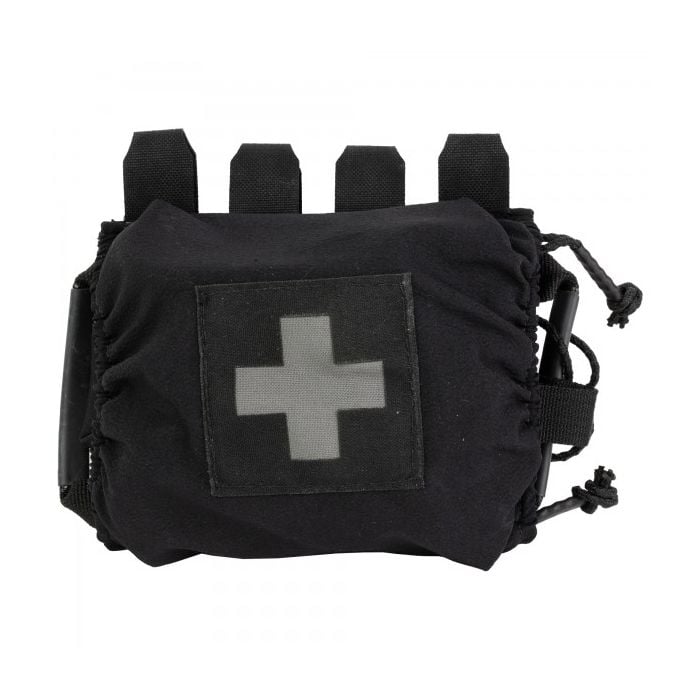
The pouch itself plays a major role in overall functionality. Compact designs should remain slim while still providing enough internal organization.
Helpful Features to Look For
- Quick-pull opening system
- Durable stitching and reinforced seams
- Water-resistant materials
- Low-profile shape
- Secure retention straps
- Internal elastic loops for organization
- Lightweight construction
A pouch with smart compartment placement can hold more items without increasing overall size.
Smart Placement on a Battle Belt
Accessibility is one of the most important factors when positioning an IFAK.
Effective Placement Tips
- Mount the pouch where either hand can reach it
- Avoid blocking movement or sitting positions
- Keep the kit clear from heavy equipment
- Position it where removal feels natural
- Test access while kneeling, walking, and bending
Balanced placement improves comfort and ensures faster response times when seconds matter most.
Organizing Supplies Efficiently
Proper organization transforms a small pouch into a highly functional medical solution.
Useful Organization Methods
- Store larger items flat against the pouch wall
- Place frequently used tools near the opening
- Separate supplies with elastic retention loops
- Use compact packaging to reduce wasted space
- Remove unnecessary wrappers or bulky containers
Efficient organization prevents fumbling and keeps the setup clean and manageable.
Maintaining a Reliable IFAK
Regular maintenance keeps the kit dependable and ready for use at all times.
Maintenance Checklist
- Inspect medical supplies frequently
- Replace damaged or expired items
- Check retention straps and closures
- Clean dirt and moisture from the pouch
- Practice opening and using the kit regularly
Consistent checks help maintain confidence in the equipment and improve long-term reliability.
Building a Comfortable and Efficient Setup
A battle belt performs best when medical gear remains compact, organized, and easy to reach. Practical IFAK solutions focus on mobility, accessibility, and efficient storage without sacrificing important emergency supplies. By choosing a slim pouch, arranging equipment carefully, and maintaining the setup regularly, users can create a dependable system that supports comfort and rapid medical response in demanding situations.